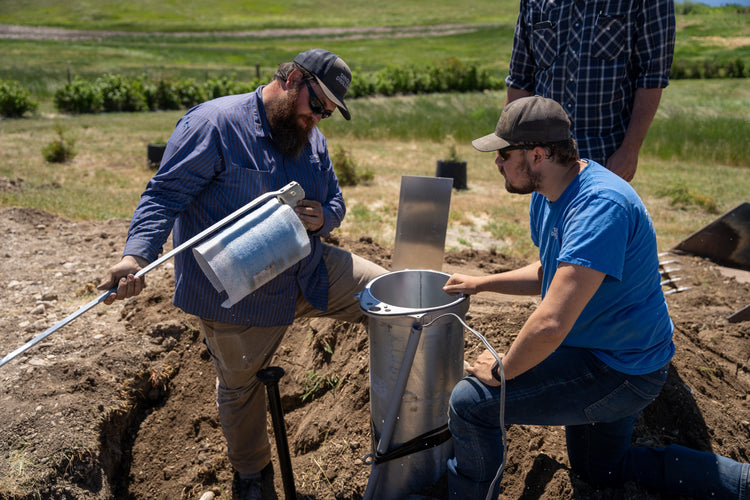
Discover what sets Merrill’s H2O Pitless Unit apart. Engineered for durability, easy installation, and code compliance, it includes a built-in expansion tank, universal VFD mount, and optional stainless steel components—all inside a 12" casing.
👉 Download the brochure, watch the install video, and hear why drillers prefer it.
At Merrill Manufacturing, we’ve worked with professionals like you for over 75 years. Here’s what we’ve learned about selecting the right yard hydrant for your application—and how to avoid costly callbacks or replacements.
A water system rarely fails all at once. It usually shows symptoms — pressure fluctuations, air in lines, freeze problems, inconsistent flow, or unexpected cycling. The Water Systems Handbook (13th Edition) emphasizes diagnosing failures by checking each component in the hydraulic chain:
The outlet device (hydrant)
The pressure switch or motor control
The back flow components (check valves)
The wellhead sealing (well caps, vents, gaskets)(Book I & II – System Troubleshooting & Construction Principles)
This guide helps wholesalers and technicians recognize where failures originate and which Merrill components address them.
1. Diagnosing Hydrant Problems - Yard Hydrants Collection
Hydrants are one of the most visible failure points because they’re the customer-facing part of the system. But hydrant issues are often symptoms, not the root cause.
Common Symptoms (Handbook Principles)
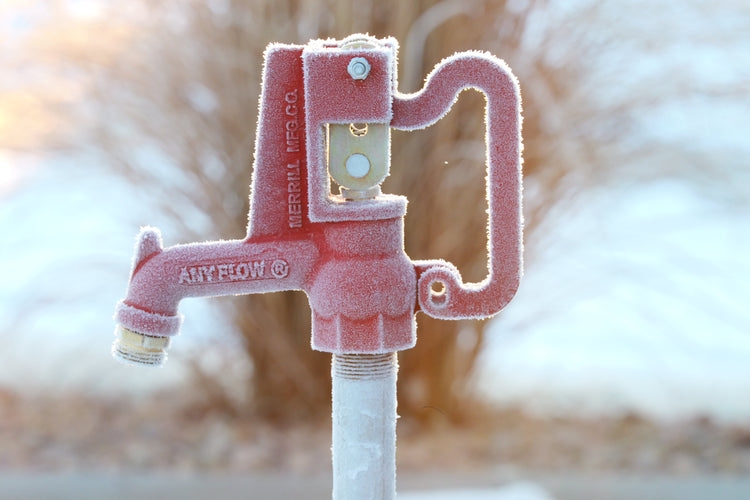
Riser freezing
Incomplete drain-back
Hard operation / stuck handle
Weak or inconsistent flow
Water leaking from weep hole or surface
Likely Causes
These issues typically relate to:
Not adequate drainage or no gravel or clay soil
Drain port obstruction or debris in drain from inside valve body
Packing guard handle rod valve body has debris washed into it. or lever bolt thick lever is overly right
Debris in waterline or inlet to valve body, or could be hydrant is connected to well prior to tank and pressure switch.
Worn internal parts (plunger, packing replaced around handle rod )
How Merrill Hydrants Address Failures - Yard Hydrants Collection
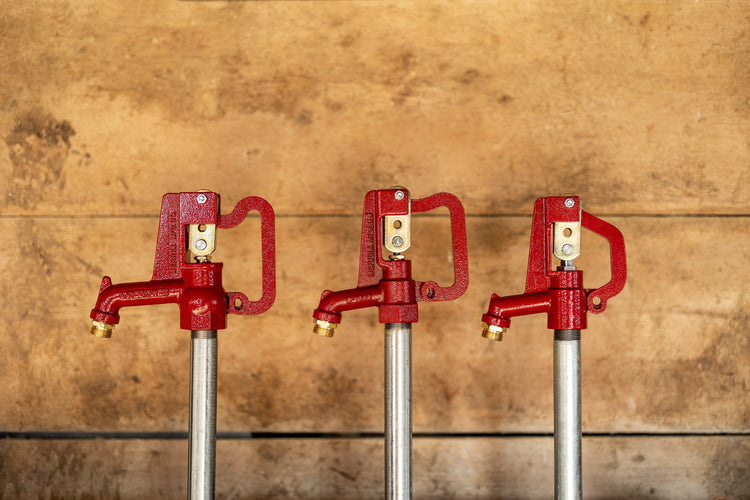
Premium Hydrants (ANY FLOW®, C-1000, R-6000) use robust valve mechanisms that maintain alignment and provide smoother operation — reducing sticking and incomplete closure. Much longer operation life many on-off cycles each day.
Economy Hydrants (M-2000, E-5000, B-7000) provide reliable drain-back when installed correctly, preventing freeze failures. Longer operation life than low cost import hydrants and made in Iowa.
Specialty Hydrants (HIDE-DRANT, Y1, Y2, ANY TEMP) solve sanitary no drain back, public-use, or heated always on operation problems where standard hydrants cannot fully answer the application.
Key takeaway:If a hydrant freezes or drains poorly, the cause is usually installation or environment, not the hydrant itself. Merrill hydrant sleeve can fix most of the problems, and answer to cast hydrant in concrete.
2. Diagnosing Check Valve Problems - Check Valves Collection
The Handbook is clear: even minor check valve issues can destabilize the entire system.(Book II – Pumping Systems & Check Valve Behavior)
Common Field Symptoms
Pump short-cycling
Pressure dropping when no water is used
Noisy “chatter” in piping
Water hammer on shutoff
Likely Causes
Worn or debris-damaged poppet sealls
Too few check valves
Corrosion or scale buildup
How Merrill Check Valves Solve These Issues - Check Valves Collection
(Catalog pp. 151–162)
Merrill NL / Standard Check Valves → Ensure proper sealing to prevent backflow and cycling.
Stainless Steel Valves → Greatly reduce internal corrosion that along with no-spin poppet design leads to valve sticking, and no-spin poppet.
Variable Flow Check Valve (VFC) → Allows installers to greatly reduce pressure loss maintain consistent pressure. water hammer and chatter.
Key takeaway:Most pressure problems trace back to one thing: the need for well screens or more check valves are needed.
3. Diagnosing Pitless Unit Problems- Pitless Units Collection
The Water Systems Handbook emphasizes the role of pitless units in maintaining sanitary seals, stable pressure, and freeze protection.(Book I – Well Construction & Pitless Systems)
Common Field Symptoms
Slow pressure loss over time
Air pockets in lines
Seasonal freeze-ups
Reduced flow despite normal pump operation
Water leaking near well casing
Likely Causes
Worn or damaged O-rings / gaskets
Debris preventing full seating of check valves
Installation too shallow
Loose cracked granted or corroded fittings
How Merrill Pitless Units Prevent Failures - Pitless Units Collection
Pressure-tested internal elbow and o-ring seal
High-quality spud gaskets or o-ring depending on model
Stainless components for long-term service life
Smooth internal pathways to reduce turbulence and flow loss
Key takeaway:Pitless failures tend to be sealing problems — Merrill’s design minimizes these when installed correctly and stainless steel used for components.
4. Diagnosing Well Cap, Vent, and Seal Problems - Well Caps, Well Seals Collection
The Handbook stresses wellhead integrity as essential for system performance and contamination prevention.(Book I – Sanitary Well Construction)
Common Field Symptoms
Insects, debris, or vermin inside well casing
Freeze-related cracks around wellhead
Likely Causes
Loose or damaged well caps
Missing or torn vent screens
Improper venting or no venting
Gaskets not seated correctly or cracked
How Merrill Well Caps Prevent These Issues - Well Caps, Well Seals Collection
Weather-resistant construction certified watertight by third party
Proper venting options to prevent vermin and contamination
Secure gaskets and fasteners designed for tight sanitary seals and serviceability
Options for varying casing diameters and material types along with grounding option
Key takeaway:A well cap is not decorative — it’s a primary defense against contamination, weather, and vermin that can destabilize the system or at least makes it difficult to service.
5. Technician Field Diagnostic Matrix
A simple list wholesalers can share with contractors:
Symptom
Likely Component
Underlying Cause
Merrill Solution
Pump cycling repeatedly
Pressure tank
Waterlogged tank diagram failed
Merrill auto shut off pressure switch
Hydrant Riser freezing
Yard Hydrant
Improper drain, shallow bury, obstructed drain hole
Premium/Economy hydrant with correct installation or add hydrant sleeve
Slow pressure loss
Check valve
Worn valve seal debris in valve
Merrill pitless replacement seals
Air in lines
Check valve / fittings
Air intrusion or failing valve
Merrill check valve + proper fittings add turque arrestor above pump
Hard hydrant operation
Hydrant internals
Debris in hydrant flush out replace plunger
Remove head flush out hydrant+ Merrill hydrant repair kit
6. How Wholesalers Can Help Installers to Prevent Failures
Wholesalers can reduce contractor callbacks by asking:
✔ “Is the hydrant drain gravel clean adequate quantity or add hydrant sleeve?”
✔ “Are check valves spaced according to WSC Handbook principles?”
✔ “Is the wellhead fully sealed with a proper sanitary well cap that is PAS97 certified?”
These questions help turn wholesalers into trusted technical advisors.
Conclusion
Water system failures almost always come down to component selection, thread sealing, or installation practices. With the engineering guidance of the Water Systems Handbook and the product reliability outlined in the Merrill Catalog, contractors can accurately diagnose problems — and fix them with confidence.
Merrill’s yard hydrants, check valves, pitless units or adapters, and well caps are built to withstand real-world conditions when installed following these principles. By understanding the failure causes and matching them to the right component, wholesalers and installers protect system performance, reduce downtime, and deliver long-lasting results.
Resources to Learn more:
1) YouTube Channel
2) Merrill Catalog
3) Water Systems Handbook (13th Edition)
Follow Us
Subscribe to our newsletter!
Stay in the loop with the latest offers, news and product updates!