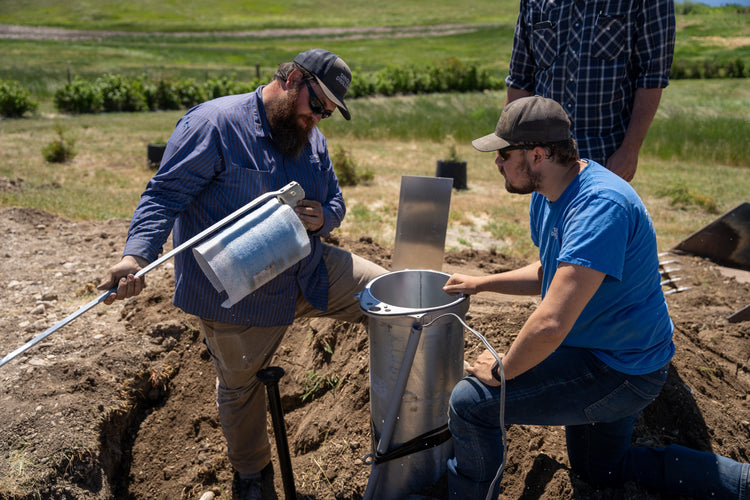
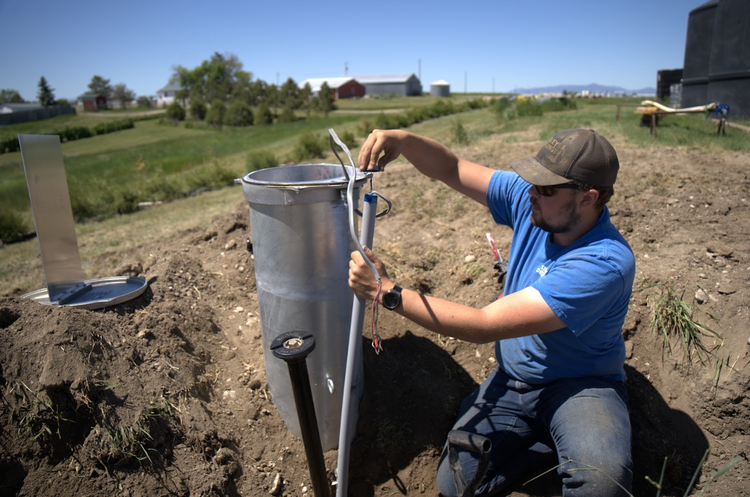
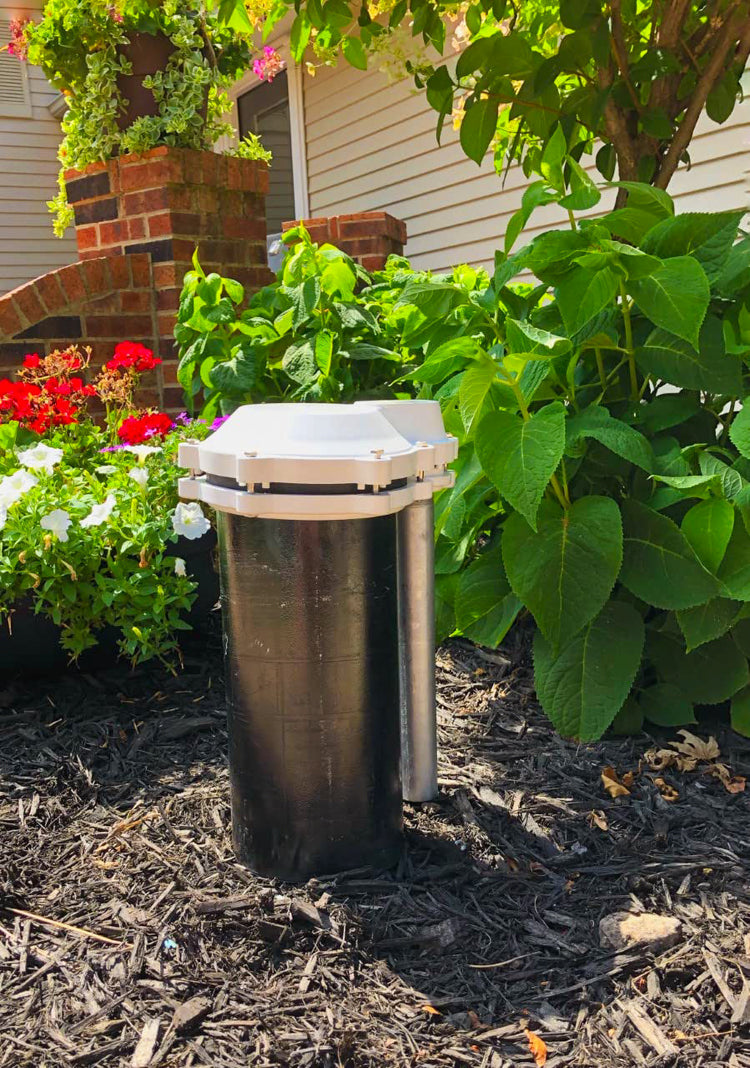
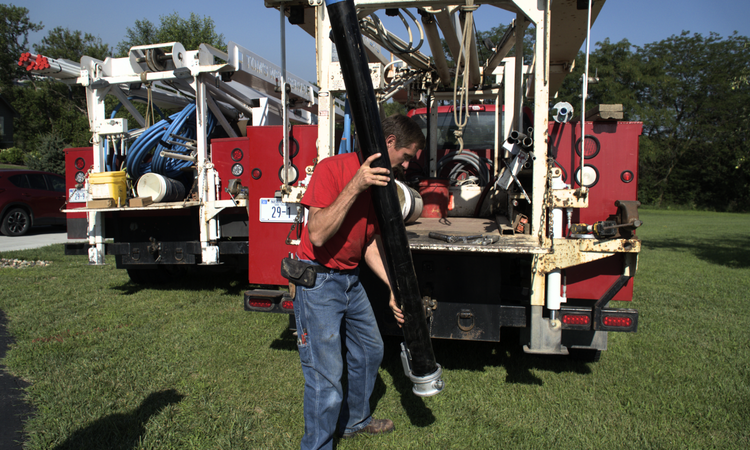
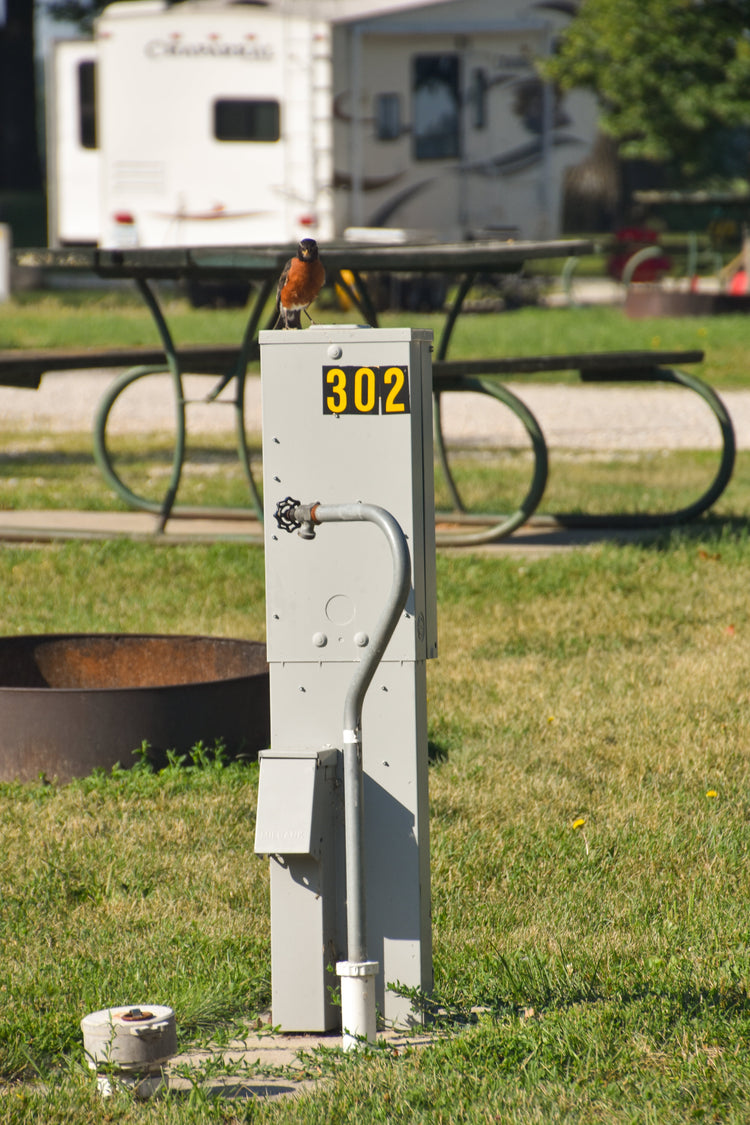
Discover what sets Merrill’s H2O Pitless Unit apart. Engineered for durability, easy installation, and code compliance, it includes a built-in expansion tank, universal VFD mount, and optional stainless steel components—all inside a 12" casing.
👉 Download the brochure, watch the install video, and hear why drillers prefer it.
At Merrill Manufacturing, we’ve worked with professionals like you for over 75 years. Here’s what we’ve learned about selecting the right yard hydrant for your application—and how to avoid costly callbacks or replacements.
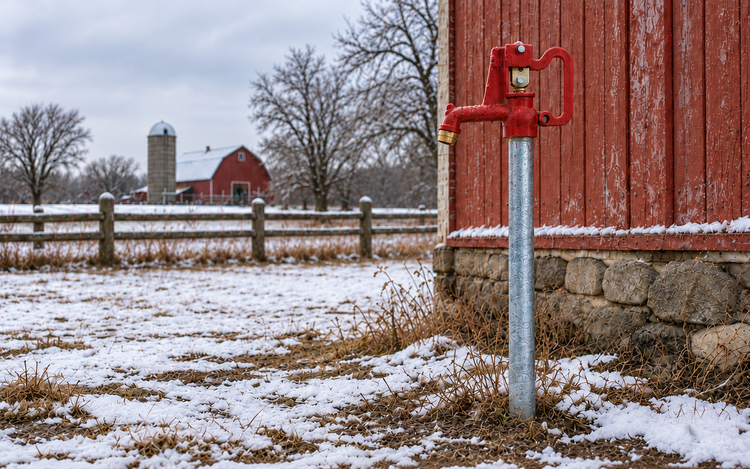
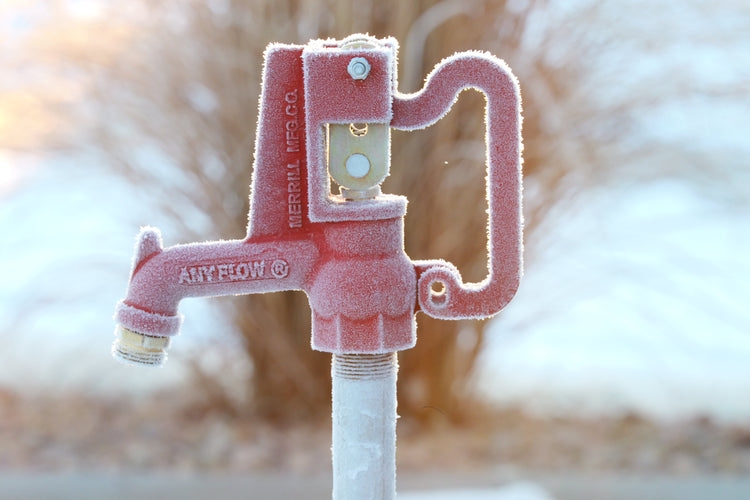
Cold weather is one of the leading causes of system failures in outdoor water delivery. The Water Systems Handbook (13th Edition) emphasizes that frost protection depends on correct installation, proper drainage, sanitary sealing, and maintaining the integrity of all system components exposed to freezing conditions. (Book II – Freeze Protection; Book I – Well Construction)
Merrill hydrants, pitless units, and well caps are engineered to handle winter conditions when installed correctly. This article explains why systems freeze, which components prevent freeze failures, and how wholesalers can guide installers using Handbook-based principles.
1. Why Water Systems Freeze (Handbook Explanation)
According to the Handbook, the primary reasons water systems freeze outdoors include:
Standing water trapped above the frost line
Improper drainage in hydrant or piping systems
Inadequate gravel backfill around hydrant drain ports
Poor sealing at the wellhead
Incorrect bury depth
Air intrusion helps frost develop when no water movement (Book II – Freeze Protection Concepts)
Freeze failures almost always trace back to installation errors, not the product itself.
2. How Frost-Proof Hydrants Prevent Freezing
A frost-proof hydrant protects the system by:
Locating the valve body below frost depth
Allowing water to drain out of the riser after shutoff
Using a gravel drainage bed or hydrant sleeve to disperse water or constain it while in drains into soil
Preventing standing water inside the hydrant standpipe, outlet must be open to air (Book II – Hydraulics & Freeze Protection)
Cutaway view of the Merrill Any Flow frost-proof yard hydrant.
If any of these conditions are not met, the hydrant can freeze.
3. Merrill Hydrants Designed for Winter Reliability
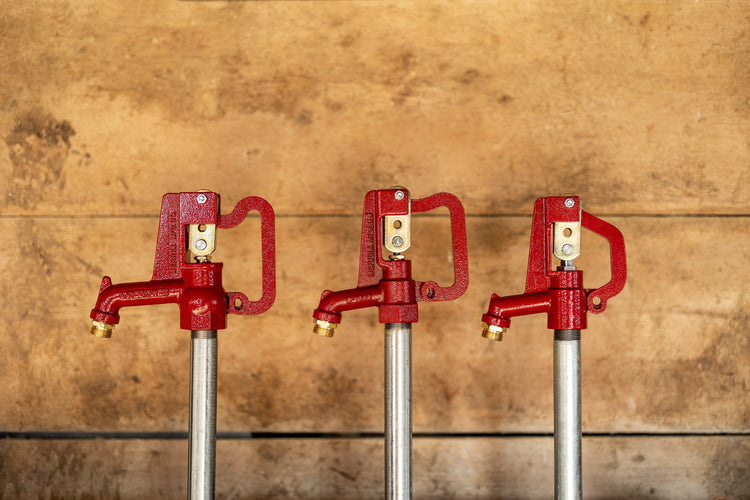
The Merrill Catalog shows a wide range of hydrants engineered for long life and proper drainage in cold climates. (Catalog pp. 8–40)
Here’s how each hydrant family contributes to freeze protection.
PREMIUM HYDRANTS (Heavy-Duty Winter Performance)
ANY FLOW® — Industry Excellence
Designed for long-term reliability, especially in high-use systems where freeze protection must be consistent.
C-1000 — Top Seller
A trusted, durable hydrant across all climates. Proper drainage and installation support excellent winter performance.
R-6000 — Innovative Mechanical Design
Enhanced linkage provides smoother operation, helping ensure positive closure — critical for proper drain-back.
Premium hydrants are often chosen in regions where extended winter use or frequent cycling occurs.
ECONOMY HYDRANTS (Reliable, Cost-Effective Winter Protection)
M-2000 — Non-Corrosive Construction
Corrosion resistance helps maintain winter reliability over time, especially in soil conditions that degrade other materials or salt spray corrosive air conditions.
E-5000 — Budget-Friendly Option
A dependable standard hydrant when installed with correct depth and drainage.
B-7000 — Simplified Operation
A straightforward design that still provides the necessary freeze-resistant drain function.
These models are ideal for standard residential systems where freeze protection still matters but demand cycles are lighter.
SPECIALTY HYDRANTS (Unique Winter or Sanitary Requirements)
HIDE-DRANT — Sanitary, Concealed Operation
Installed below-grade, keeping components shielded from exposure. Works in winter when properly installed to lock required bury depth.
Y1 Series — Self-Closing for Public Spaces
Useful in environments where users may not fully close a hydrant—self-closing prevents hydrant being left on.
Y2 Series — For Automatic Waterers
Designed for livestock water and supply environments; freeze protection built in when proper bury depth installed.
ANY TEMP — Heated Hydrant for 24/7 Winter Service
For applications requiring year round, freeze-proof water without relying solely being shut off to self drain.
Specialty hydrants are selected based on function or sanitary needs, not just freeze depth.
4. Preventing Freezing at the Pitless Unit or Adapter
The Water Systems Handbook stresses that pitless units prevent freezing by:
Moving the horizontal discharge below frost depth
Providing a sealed, sanitary access point
Eliminating above-ground connections that can freeze (Book I – Well Construction & Pitless Installation)
The Merrill pitless units (Catalog pp. 42–65) are factory-tested for pressure integrity and rely on strong mechanical seals to maintain system protection.
Wholesalers should remind installers:A pitless unit only protects against freezing if installed fully below frost depth.
5. The Importance of Well Caps, Vents & Well Seals for Winter Protection
The WSC Handbook highlights proper wellhead sealing as a critical part of freeze protection because:
Air infiltration increases the chance of internal condensation and frost
Vermin or debris can obstruct infuctrate and cause several problems
Standing water around the casing top can freeze and create pathways for contamination (Book I – Sanitary Well Construction)
The Merrill Catalog includes sanitary well caps, and well seals designed for:
Weather resistance
Proper casing coverage, sanitary seals to casing
Insect/screen protection (Catalog wellhead section)
These components help maintain temperature stability and prevent moisture buildup at the wellhead.
Find the right well cap or well seal for the installation.
View Well Caps & Seals Guide
6. Installation Guidelines That Prevent Freeze Failures (Handbook-Based)
Wholesalers should reinforce these WSC Handbook principles with every contractor:
1. Install hydrants to the correct bury depth
Valve body must be below frost depth. Anything above risks freezing.
2. Use clean, properly sized drainage gravel or Hydrant Sleeve
Essential for clearing riser water. Sediment-packed or clay soils prevent drain-back.
3. Ensure hydrant risers are plumb and not kinked
Misalignment may prevents the valve from fully opening or closing.
4. Verify drain port is unobstructed during installation
This is the #1 cause of freeze-related failures.
5. Use properly sealed well caps, must be PAS97 Certified and Listed
Protects internal components from weather and inserts or debris.
6. Install pitless units or adapters fully below frost line
WSC Handbook emphasizes correct bury depth and PAS97 Certified and listed well caps.
None of these rules require guesswork — they are engineering fundamentals.
7. How Wholesalers Can Help Contractor From Call Backs in Winter
By asking a few simple questions:
✔ “Is the hydrant installed at proper depth?”
✔ “Is the gravel bed adequate for hydrant drain or use hydrant sleeve?”
✔ “Is the pitless unit or adapter below frost depth?”
✔ “Is the hydrant part of the correct product family for the application?”
✔ “Is the well cap sealed correctly at the wellhead?”
These questions eliminate most winter failures before they happen.
Conclusion
Freeze protection isn’t about the temperature alone — it’s about correct installation, proper drainage, and using components engineered for winter performance.
The Water Systems Handbook provides the technical foundation for frost protection.The Merrill Catalog offers hydrants, pitless units, caps, and specialty systems designed to meet these requirements.
With the right information and the right products, contractors can deliver long-lasting, freeze-resistant systems — and wholesalers can confidently guide them toward the correct Merrill solutions.
Helpful Resources
Explore additional tools and guides for selecting and installing the right water system components.
Product Comparison
Compare Merrill Yard Hydrants
Compare Merrill yard hydrant families and find the right model for the application.
Compare yard hydrants →
Installation Resource
Bury Depth Information
Review bury-depth information to help place underground components below the frost line.
View bury-depth information →
PDF Selection Guide
Pitless Unit Selection Guide
Compare pitless units, kits, and adapters for different well-system requirements.
Open selection guide →
PDF Selection Guide
Well Caps & Seals Selection Guide
Find the appropriate well cap or well seal based on casing and installation requirements.
Open selection guide →
Videos & Education
Visit Merrill Manufacturing on YouTube
Watch product explanations, installation guidance, troubleshooting videos, and water-system education.
Watch Merrill videos →
Pressure problems are one of the most common complaints in residential and agricultural water systems. Whether it’s low pressure, rapid cycling, surging, or intermittent flow, pressure-related failures almost always come down to a handful of predictable issues in the well system.
Using only verified guidance from the Water Systems Handbook (13th Edition) and the engineering design of Merrill components, this guide helps wholesalers and technicians quickly diagnose the root cause — and select the right components to correct it.
1. Understanding How Pressure Is Maintained in a Well System
According to the Water Systems Handbook, system pressure is affected by:
The pump’s ability to deliver water at the required head
Proper operation of the check valve(s)
Pressure tank sizing and air charge
System integrity at the pitless unit or adapter and all fittings (Book II & Book VIII, Pumping Systems & Pressure Tanks)
If any of these are compromised, the system loses pressure stability.
2. Problem #1: Rapid Pump Cycling (Pump Short-Cycling)
This is one of the most frequent complaints.
Technical Causes (Handbook Book VIII)
Undersized pressure tank
Waterlogged tank (air charge lost)
Leaking check valve
Pitless adapter leakage causing pressure drop
How Merrill Products Solve It
✔ Merrill Check Valves (NL & Standard)
Stainless Steel Check Valve View product details → No-Lead Bronze Control Center Check Valve View product details →
(Catalog pp. 151–163) A leaking check valve allows water to fall back toward the pump, forcing the pressure switch to cycle repeatedly.
Merrill’s features that matter:
Positive-seal poppet design with stem guides
Variable Flow Check Valve eliminates water hammer that accelerates wear on other components
Result: Restores system integrity and eliminates cycling caused by backflow.
✔ Merrill Pitless Units or Adapters
(Catalog pp. 42–79) If the pitless gasket or mechanical seal is compromised, pressure slowly leaks off in the discharge line — causing the pump to restart frequently.
Merrill advantages:
Factory pressure-tested to ensure quality
Heavy-duty spud gaskets or O-rings
Stainless steel adjusting nut for tight mechanical seal with other stainless steel components
Download the SP Pitless Unit installation video
SP Pitless Unit installation demonstration. Explore Merrill pitless units, kits and adapters →
3. Problem #2: Low or Inconsistent Pressure
Symptoms: weak faucet flow, variable shower pressure, sprinklers not performing.
Handbook Root Causes (Book II – Pumping Systems):
Incorrect check valve placement
Air leaks in suction/discharge components
Restrictions or partial blockage
Pump not delivering proper head
How Merrill Components Help
✔ Check Valve Placement
Merrill’s catalog clearly specifies installation and proper orientation. Incorrect placement leads to:
Valve chatter
Flow restriction
Loss of prime
Pressure fluctuations
Using a Merrill Variable Flow Check Valve (VFC) eliminates chatter in deep wells and stabilizes pressure.
✔ Merrill Pitless Units (Full-Diameter Access)
A pitless that doesn’t align perfectly introduces turbulence and pressure loss.Merrill’s design ensures full-diameter of the well access and smooth flow transition.
✔ Merrill Fittings
High-quality tees, elbows, and NL fittings reduce air intrusion and turbulence — small issues that create big pressure problems.
SPP Pitless Unit View product details → Merrill Fittings Browse all fittings →
4. Problem #3: Air Spurting From Fixtures
This is a common sign of check valve leakage or air entrainment.
Handbook Explanation
Air in the line usually indicates:
Leaking check valve
Drop pipe leak
Water level inside the well is low or at the pump intake
How Merrill Addresses It
Merrill NL and standard check valves provide tight, reliable sealing
Merrill pitless units or adapters have robust O-rings and gaskets that prevent air intrusion
Merrill replacement kits help restore older systems
Parts Kit PF M-2000 View product details → Stainless Steel Foot Valve Screen with End Cap & Screw View product details →
Air spurting is one of the easiest problems to fix with the correct Merrill part.
5. Problem #4: Water Hammer & System Shock
Water hammer causes:
Pressure drops
Vibration and noisy pipes
Premature pressure switch or pump failure
Check valve damage
Handbook Insight:
Improper check valve spacing or rapid column reversal in deep wells is a primary cause. (Book II, Submersible Pumps & Vertical Lift)
Merrill’s Solution: Variable Flow Check Valve
(Catalog pp. 157–158)
View the Merrill Variable Flow Check Valve →
The VFC allows contractors to set up a consistent variable flow and greatly reduce or eliminate shock. This is one of the most product-differentiated solutions Merrill offers.
6. Problem #5: Pressure Loss Over Time
If pressure slowly bleeds off when no water is running, the issue is almost always:
Small leaks at one or more components
Pressure tank bladder failure
Fitting or thread seal compromise
Handbook Notes:
Maintaining system integrity is essential for sanitation and performance. (Book I–II)
Merrill Solutions
Replace failing check valve → Merrill NL or stainless steel
Restore pitless seal → Merrill replacement spud gasket or O-rings with proper gasket seal
Use Merrill high-quality fittings with thread sealant for proper sealing
Replace aging hydrants or valves causing backflow conditions
Proper seal seating at the wellhead is the difference between a system that holds pressure and one that bleeds off overnight.
7. Quick-Diagnosis Chart (Training-Friendly)
Symptom
Likely Cause (Handbook)
Merrill Component That Fixes It
Rapid cycling
Tank bladder failure, small tank
Merrill NL tank tee, Merrill fittings
Low pressure
Flow restriction, check pressure switch
Merrill pressure switch, Merrill hydrants with proper flow rating
Air in lines
Check valve leak, air intrusion
Merrill check valve replacement
Water hammer
Valve spacing, vertical lift
Merrill Variable Flow Check Valve
Slow pressure loss
Leaking component, failing gasket
Merrill replacement or leaking component
Final Takeaway: Pressure Problems Are Component Problems
Nearly every pressure-related issue in a well system ties back to:
Pressure switch settings and operations
Component leak
Pressure tank bladder failure
The Water Systems Handbook provides the diagnostic reasoning. The Merrill Catalog provides the components to fix it — reliably, safely, and to sanitary pitless unit standards.
This blog not only trains your wholesalers and technicians — it positions Merrill as the engineering-first manufacturer solving real-world issues.
Providing safe drinking water isn't just a good practice — it's federal law. Over the past decade, U.S. regulations have tightened dramatically around lead content in potable water systems, forcing manufacturers, wholesalers, and installers to adapt.
Merrill Manufacturing has responded with a complete line of No-Lead (NL) components — hydrants, check valves, fittings, and adapters — engineered and labeled specifically for drinking water compliance.
This guide explains exactly why NL components matter, what federal regulations require, and how wholesalers can educate technicians and contractors using credible, engineering-based information.
1. What "No-Lead" Actually Means (Federal Law)
Under the Reduction of Lead in Drinking Water Act (effective 2014):
✔ Components in contact with drinking water must contain
no more than 0.25% weighted average lead content.
This regulation applies to:
Valves
Fittings
Hydrants
Adapters
Backflow prevention components
Any component carrying potable water
Products must also meet NSF/ANSI lead-free compliance standards to be legally sold for drinking water distribution.
This is why Merrill labels all NL products clearly in the catalog.
Nothing is left to guesswork.(Catalog NL Check Valves, NL Hydrants, NL Adapters — designated "NL")
The NL stamp helps identify Merrill components designed for No-Lead compliance.
2. What the Water Systems Handbook Says About Sanitary Protection
The Water Systems Handbook focuses heavily on preventing contamination at every point in a potable system. It specifies that:
Components must prevent surface water, pollutants, insects, or chemicals from entering the water supply.
All equipment in contact with drinking water must be designed to reduce contamination risk and maintain sanitary integrity.
Sanitary well caps help prevent surface water, insects, debris, and other contaminants from entering the water supply.
Using No-Lead brass, stainless steel or certified materials is part of maintaining this sanitary standard — because lead is, by definition, a chemical contaminant.
For Merrill, NL products directly support these Handbook mandates for sanitary drinking water systems.
3. Merrill's No-Lead Product Lines (Catalog-Verified)
The Merrill Catalog clearly marks every NL component with the "NL" designation. These include:
✔ No-Lead Check Valves
(Catalog pp. 151–163)Designed for potable systems where backflow prevention must meet lead-free requirements.
Merrill NL-stamped components: C-1000 Valve Body, No-Lead Pressure Gauge, and No-Lead Brass Tee Handle Sampling Valve.
✔ No-Lead Hydrants
Specific Merrill hydrant models are available in NL versions, ensuring compliance where hydrants are plumbed into potable supply lines.(Catalog hydrant section pp. 8–41)
✔ No-Lead Fittings & Adapters
Threaded, compression, and specialty fittings listed in the catalog under NL variants.
✔ No-Lead Pitless Accessories
In pitless systems supplying drinking water, NL fittings ensure compliance where water transitions to horizontal distribution.
Every NL product in the catalog includes:
Material info
Application notes
Pressure ratings
Part numbers for ordering
Sizes compatible with standard well systems
Browse Merrill No-Lead Products
4. Why No-Lead Check Valves Matter in Potable Systems
Based on your catalog + Handbook guidance:
✔ Check valves touch all water pushed by the pump.
If the check valve contains lead, the entire potable system risks contamination.
✔ They prevent backflow into wells.
Handbook Book II reinforces that preventing contamination and backflow is essential.Water Systems Handbook 13th Edition
✔ NL check valves are necessary for:
Household drinking water systems
Municipal/platted home developments
Any system connected to plumbing fixtures
Any distribution line leading to consumption
Bronze Control Center Check Valve – No-Lead.
✔ Merrill offers multiple NL models
NL check and foot valve options are clearly identified throughout the Check & Foot Valves section on catalog pages 151–163.
The benefit for installers: zero compliance guesswork.
5. Why No-Lead Hydrants Matter (Even Outdoors)
This surprises many installers.
NL hydrants are needed when outdoor spigots or hydrants connect to the same potable water system feeding the home.
Because hydrants are part of the supply system, they must not introduce lead into:
Garden hoses occasionally used for drinking
Animal waterers
RV fill stations
Campground water outlets
Outdoor potable service points
No-Lead hydrants help support potable water compliance when outdoor service points connect to drinking water systems.
The Water Systems Handbook stresses avoiding contamination from ANY access point (Book I).
Hydrants deliver water directly — they must be NL if tied to household drinking water.
6. NSF/ANSI 372 — Lead Content Certification
NSF/ANSI 372 is the most recognized standard verifying that components meet U.S. lead-free requirements.
Merrill's NL components are manufactured to meet these compliance standards, as documented in NL product listings.
This gives wholesalers and contractors:
Legal protection
Installation clarity
Consumer safety confidence
And it protects Merrill from liability issues — something we deeply care about.
Merrill No-Lead catalog symbol
7. How Wholesalers Can Educate Installers
Most installers don't know the fine points of federal lead regulations — but wholesalers explain products to them daily.
Here's the most effective education strategy:
A. Explain When NL Is Required
Give installers the rule of thumb:
"If the water can be consumed at any point downstream, the component must be No-Lead."
Wholesalers should highlight:
NL check valves
NL hydrants
NL fittings
NL adapters
B. Show the Catalog NL Labeling
Merrill makes it easy:
NL is printed directly in the product name
NL variants have their own part numbers
Pages 151–163 show NL check and foot valve options clearlyMerrill 2026 Catalog
Show contractors the difference once → they never forget it.
C. Train on Sanitary System Basics Using the Handbook
Handbook Book I–II shows the importance of sanitary integrity in drinking water systems and the role each component plays.
Teaching installers WHY it matters increases compliance dramatically.
D. Emphasize Liability Protection
No-lead components protect:
The homeowner's health
The installer's license
The wholesaler's reputation
Merrill's standing in the industry
8. Why No-Lead Components Will Only Grow in Importance
Industry data suggests growing focus on:
PFAS
Metals contamination
Water quality lawsuits
Stricter state regulations
Future EPA updates
With more homeowners aware of water safety, and federal attention rising, NL components aren't going anywhere — they're becoming even more essential.
Merrill is already ahead of the curve with fully developed NL lines.
Final Takeaway
No-lead isn't optional — it's the law.But beyond compliance, NL components:
Improve sanitary safety
Protect groundwater
Ensure system integrity
Build trust with homeowners
Support installers and wholesalers
Reduce liabilities for everyone
With Merrill's clearly labeled NL products and engineering-driven designs, contractors have everything they need to build safe, modern drinking water systems with total confidence.
Whether you're a wholesaler, a new technician, or someone supporting contractors in the field, knowing the full lifecycle of a water system — from drilling through distribution — is essential. The Water Systems Handbook (Book I–IV) outlines the full construction of a sanitary, high-performing well system, while the Merrill Catalog provides the specific components used at each stage.
This guide gives your team a clear, technical, manufacturer-approved overview of how a water system works and where each Merrill component fits in.
1. Stage One: Drilling & Well Construction
Where groundwater access begins.
The Water Systems Handbook explains that proper well construction includes:
Drilling to an aquifer appropriate for long-term adequate yield
Setting casing to isolate the well from contaminated shallow layers
Sealing the annular space with grout to prevent surface water infiltration(Book I, Well Construction)
A sanitary well requires:
✔ Casing termination above ground
The Handbook requires wells to be completed above finished grade to avoid contamination from surface water.
✔ A sanitary well cap or well seal
A critical protection to prevent insects, debris, and vermin infiltration.
✔ A proper vent
Vents must be screened to allow pressure equalization while keeping out contaminants.
Merrill components used at this stage (Catalog pp. 80-85):
Well caps
Sanitary caps
Well seals
All provide casing-size charts and specifications.Merrill2026
Your browser does not support the video tag.
Sanitary well caps and seals help protect the well opening from insects, debris, and surface contamination.
2. Stage Two: Submersible Pump Installation
How water is lifted from the aquifer.
According to the Handbook, submersible pumps are installed deep in the well and connected by drop pipe, wire, and a discharge assembly (Book II, Pump Installation).Water Systems Handbook 13th Edition
Key system components:
✔ Drop pipe
Transmits water from the pump to the surface.
✔ Pump cable & splice kit
Provides power while maintaining waterproof electrical connection.
✔ Safety rope
Provides extra safety if pipe fails and supports pump weight during lowering and servicing.
✔ Check valves
Prevent backflow, pressure loss, and water hammer. The Handbook and Merrill catalog align on the need for multiple check valves in deep wells.
Merrill components (Catalog pp. 151–163):
Several material options available in check valves
No-lead check valves
Variable Flow Check Valve
Stainless steel options and specialty valves
Check valves and pump accessories help protect the submersible pump system and keep water moving in the right direction.
3. Stage Three: Pitless Discharge & Sanitary Sealing
The transition between underground and the pressure system.
The Water Systems Handbook defines pitless units and adapters as components that:
Provide a watertight, frost-proof connection
Prevent contaminants from entering near-surface openings
Allow full service of submersible equipment without or limited excavation(Book IV: Components)
Merrill Pitless Units (Catalog pp. 42-79):
Factory pressure-tested
ASSE/PAS-certified watertight design
Positive mechanical seal with stainless adjusting nut
Stainless steel on all parts touching water
Full diameter access inside well
These ensure long-term sanitary integrity and easy well maintenance.
SPP Pitless Units help create a watertight, frost-proof connection between the well and the underground discharge line.
4. Stage Four: Distribution to the Pressure System
Where water leaves the well and enters the home or facility.
This stage includes:
✔ Pressure tank
Maintains constant water pressure and reduces pump cycling.(Book VIII, Pressure Tanks – Handbook)
✔ Pressure switch
Controls pump on/off operation based on waterline pressure.
✔ Relief valve
Protects the system from dangerous overpressure.
✔ Tank tees & fittings
Connects tank, switch, gauge, drain valve, and relief valve.
Merrill manufactures essential fittings that appear throughout this part of the system.
Your browser does not support the video tag.
Heavy-duty pressure switch features help control pump operation based on system pressure.
5. Stage Five: Yard Hydrants & Outside Water Distribution
How water is delivered outdoors.
The Water Systems Handbook describes hydrants as surface-accessible delivery points requiring frost protection and proper drainage.
Merrill hydrants — AnyFlow, Hide-Drant, C-1000, M-2000, R-6000, E-5000, and several more — use a drain-back design where:
The valve body is buried below frost line,
Water drains into the ground or a clean gravel bed after shutoff.
Correct installation prevents freeze failures, back-siphonage, and contamination risks.
AnyFlow hydrants use a drain-back design to help protect water access from freezing after shutoff.
6. Stage Six: Inside Distribution & Final Use
How water moves inside the building.
Components include:
Shutoff valves
Manifold fittings
Well faucets
Hose bibbs
Indoor water distribution fittings
While Merrill is known primarily for external well system components, many of its parts (e.g., NL fittings, valves, adapters) integrate into indoor systems depending on the application.
7. Understanding the System as a Whole (Why This Matters for Wholesalers & New Techs)
The Water Systems Handbook stresses that every well is a complete sanitary system, not a collection of random parts.
A wholesaler or technician who understands the entire path:
aquifer → pump → pitless → pressure tank → distribution → hydrant
can:
Recommend the right components
Reduce contractor callbacks
Help diagnose system failures
Increase system longevity
Ensure sanitary compliance
Improve customer trust
And because Merrill covers nearly every stage with certified components, technicians can build a compatible, long-lasting reputation using one supplier.
8. Where Merrill Components Fit in the Full System (Catalog-Verified)
System Stage
Merrill Component
Catalog Pages
Wellhead
Well caps, seals, vents
80–85
Submersible pump
Check valves
151–163
Frost protection
Pitless units, adapters
42–79
Yard distribution
Frost-proof hydrants
8–41
Above-ground and below-ground plumbing
Fittings, valves, accessories
See index
All page references are directly verifiable in the 2026 Catalog. You can click Here: Merrill2026
Final Takeaway
Wholesalers and new technicians don’t just sell components — they support an entire sanitary water system.
When you understand:
How wells are drilled
How pumps are installed
How pitless units protect sanitation
How pressure tanks assist flow
How hydrants deliver water
How fittings ensure system integrity
…you become a trusted partner to contractors, drillers, and homeowners.
And with Merrill’s catalog covering nearly every stage from drilling to distribution, your team can confidently recommend reliable, certified, American-engineered components backed by 77 years of industry experience.
A pitless unit isn’t just another component in a pumping system — it’s the foundation of a sanitary, frost-proof, serviceable well installation. And when it’s installed correctly, it protects groundwater, avoids contamination pathways, prevents freeze damage, and ensures the system can be serviced without excavation.
This guide breaks down what pitless units do, why installation technique matters, and how Merrill Manufacturing’s certified designs support long-term system performance.
1. What a Pitless Unit Actually Does (and Why It Exists)
According to the Water Systems Handbook, pitless equipment:
Provides sanitary connections and prevents contaminants from entering near-surface or surface openings into the well or water supply.
Allows the well casing to terminate above ground, with a permanently buried discharge connection below frost line.
Protects water from temperature extremes and provides convenient access to system components without excavation.
In short:Pitless units exist so wells remain sanitary, frost-proof, and maintainable — without pits, pump houses, contamination risks, or extra on site work to service a well.
Below cross section of water well system- 1. Pitless Unit
2. Pitless Adapter vs. Pitless Unit — What’s the Difference?
Pitless Adapters
Below-ground devices that connect through the casing below frost line. They are inserted through a cut hole and include inner/outer components that seal together.
Pitless Units
A full factory-assembled system installed on top of the casing. The installer cuts the casing to the required bury depth, removes internal parts, mounts the unit, and lowers the components into position. These units come pressure-tested from the factory and are designed to be fully watertight when installed correctly.
Quick Summary
Feature
Pitless Adapter
Pitless Unit
Install method
Cut-in through casing wall
Installed on top of casing
Access
Partial
Full-diameter access to well
Sanitary sealing
Good
Best (certified watertight)
Factory testing
Not possible- on site intall
100% pressure tested (Merrill)
Best use
Lower-cost jobs
Long-term reliability, deep wells, system longevity
3. Why Proper Pitless Installation Is Critical
A. Sanitary Protection
A pitless unit is a key of a sanitary well construction method. It stops contaminated surface or near-surface water from entering the well.
A poor pitless installation = a direct pathway for contamination.
B. Freeze Protection
The discharge connection must be below the frost line. Pitless units with pressure tested discharge allow the well to be completed above grade while still keeping the buried plumbing protected from freezing temperatures.
If the bury depth is wrong — frost damage is highly likely.
C. Pressure Integrity
Handbook guidelines describe pressure integrity as essential for maintaining sanitation in pitless systems, especially in submersible pump installations.
If seals, gaskets, or O-rings are not properly engaged → the system can leak and compromise sanitary protection.
D. Serviceability Over the Well’s Lifetime
Pitless construction allows the drop pipe and pumping equipment to be removed from above ground for service.
Incorrect installation can prevent disengagement, requiring excavation — or risking dropping equipment down the well.
4. Merrill’s Pitless Units: What the Catalog Confirms
From the Merrill Manufacturing catalog:
Certified Watertight under ASSE 1093, PAS-97 and state well codes.
100% pressure-tested at factory to ensure proper sealing to discharge.
Positive mechanical seal using stainless steel adjusting nut — easy to operate and rust-free.
Full diameter access with no obstructions for service work.
Large spud gasket / thick O-ring seal ensures a watertight seal inside casing and around discharge.
Heavy-duty support plate holds more weight and reduces risk of losing equipment down the well.
5. Essential Steps for Installing a Pitless Unit Correctly
(Aligned with Water Systems Handbook installation guidance)
1. Determine correct casing diameter and bury depth
Installer must specify these before installation begins.
2. Cut casing at proper depth
Casing is cut off at bury depth — critical for frost-line placement.
3. Mount the pitless unit to casing
By threading, welding, or compression gasketing depending on contractor preference.
4. Connect discharge
Discharge piping attaches before inserting internal components.
5. Engage seal inside the well
Internal components are lowered and locked into sealing position.Merrill’s adjusting nut then ensures a positive mechanical seal.
6. Confirm watertight integrity
Merrill already pressure-tests units at the factory, but installers should ensure:
O-rings are clean and properly seated
Spud gasket is correctly aligned for those models
No distortion of well casing
Proper torque on fasteners
6. When Installers Get It Wrong — Common Failure Points
Based strictly on the failure modes implied in your sources:
Insufficient seal engagement → loss of pressure, sanitation risk.
Improper casing cut height → freeze problems.
Misalignment of spud gasket → leaks and corrosion issues.
Using wrong type of coupling → poor casing connection and compromised watertight seal.
A properly installed pitless unit removes these risks and ensures decades of reliability.
7. Why Drillers & Installers Prefer Merrill Pitless Units
You can confidently state this using catalog facts:
They are certified to current ASSE and PAS standards for sanitation and watertight performance.
They provide full access for pump service without obstruction. Unit seal ports not damaged when service the well.
They include heavy-duty components such as stronger support bars and stainless steel fittings.
They undergo 100% factory pressure testing, something not guaranteed with many other brands.
Final Takeaway
A pitless unit is the best longterm and easiest to intall.
Units installed correctly — following the requirements laid out in the Water Systems Handbook and paired with Merrill’s certified, pressure-tested designs — you get:
Superior sanitation
Reliable freeze protection
Long-term system pressure integrity
Full-service accessibility - safe from damage during service work.
Decades of trouble-free operation
A water system rarely fails all at once. It usually shows symptoms — pressure fluctuations, air in lines, freeze problems, inconsistent flow, or unexpected cycling. The Water Systems Handbook (13th Edition) emphasizes diagnosing failures by checking each component in the hydraulic chain:
The outlet device (hydrant)
The pressure switch or motor control
The back flow components (check valves)
The wellhead sealing (well caps, vents, gaskets)(Book I & II – System Troubleshooting & Construction Principles)
This guide helps wholesalers and technicians recognize where failures originate and which Merrill components address them.
1. Diagnosing Hydrant Problems - Yard Hydrants Collection
Hydrants are one of the most visible failure points because they’re the customer-facing part of the system. But hydrant issues are often symptoms, not the root cause.
Common Symptoms (Handbook Principles)
Riser freezing
Incomplete drain-back
Hard operation / stuck handle
Weak or inconsistent flow
Water leaking from weep hole or surface
Likely Causes
These issues typically relate to:
Not adequate drainage or no gravel or clay soil
Drain port obstruction or debris in drain from inside valve body
Packing guard handle rod valve body has debris washed into it. or lever bolt thick lever is overly right
Debris in waterline or inlet to valve body, or could be hydrant is connected to well prior to tank and pressure switch.
Worn internal parts (plunger, packing replaced around handle rod )
How Merrill Hydrants Address Failures - Yard Hydrants Collection
Premium Hydrants (ANY FLOW®, C-1000, R-6000) use robust valve mechanisms that maintain alignment and provide smoother operation — reducing sticking and incomplete closure. Much longer operation life many on-off cycles each day.
Economy Hydrants (M-2000, E-5000, B-7000) provide reliable drain-back when installed correctly, preventing freeze failures. Longer operation life than low cost import hydrants and made in Iowa.
Specialty Hydrants (HIDE-DRANT, Y1, Y2, ANY TEMP) solve sanitary no drain back, public-use, or heated always on operation problems where standard hydrants cannot fully answer the application.
Key takeaway:If a hydrant freezes or drains poorly, the cause is usually installation or environment, not the hydrant itself. Merrill hydrant sleeve can fix most of the problems, and answer to cast hydrant in concrete.
2. Diagnosing Check Valve Problems - Check Valves Collection
The Handbook is clear: even minor check valve issues can destabilize the entire system.(Book II – Pumping Systems & Check Valve Behavior)
Common Field Symptoms
Pump short-cycling
Pressure dropping when no water is used
Noisy “chatter” in piping
Water hammer on shutoff
Likely Causes
Worn or debris-damaged poppet sealls
Too few check valves
Corrosion or scale buildup
How Merrill Check Valves Solve These Issues - Check Valves Collection
(Catalog pp. 151–162)
Merrill NL / Standard Check Valves → Ensure proper sealing to prevent backflow and cycling.
Stainless Steel Valves → Greatly reduce internal corrosion that along with no-spin poppet design leads to valve sticking, and no-spin poppet.
Variable Flow Check Valve (VFC) → Allows installers to greatly reduce pressure loss maintain consistent pressure. water hammer and chatter.
Key takeaway:Most pressure problems trace back to one thing: the need for well screens or more check valves are needed.
3. Diagnosing Pitless Unit Problems- Pitless Units Collection
The Water Systems Handbook emphasizes the role of pitless units in maintaining sanitary seals, stable pressure, and freeze protection.(Book I – Well Construction & Pitless Systems)
Common Field Symptoms
Slow pressure loss over time
Air pockets in lines
Seasonal freeze-ups
Reduced flow despite normal pump operation
Water leaking near well casing
Likely Causes
Worn or damaged O-rings / gaskets
Debris preventing full seating of check valves
Installation too shallow
Loose cracked granted or corroded fittings
How Merrill Pitless Units Prevent Failures - Pitless Units Collection
Pressure-tested internal elbow and o-ring seal
High-quality spud gaskets or o-ring depending on model
Stainless components for long-term service life
Smooth internal pathways to reduce turbulence and flow loss
Key takeaway:Pitless failures tend to be sealing problems — Merrill’s design minimizes these when installed correctly and stainless steel used for components.
4. Diagnosing Well Cap, Vent, and Seal Problems - Well Caps, Well Seals Collection
The Handbook stresses wellhead integrity as essential for system performance and contamination prevention.(Book I – Sanitary Well Construction)
Common Field Symptoms
Insects, debris, or vermin inside well casing
Freeze-related cracks around wellhead
Likely Causes
Loose or damaged well caps
Missing or torn vent screens
Improper venting or no venting
Gaskets not seated correctly or cracked
How Merrill Well Caps Prevent These Issues - Well Caps, Well Seals Collection
Weather-resistant construction certified watertight by third party
Proper venting options to prevent vermin and contamination
Secure gaskets and fasteners designed for tight sanitary seals and serviceability
Options for varying casing diameters and material types along with grounding option
Key takeaway:A well cap is not decorative — it’s a primary defense against contamination, weather, and vermin that can destabilize the system or at least makes it difficult to service.
5. Technician Field Diagnostic Matrix
A simple list wholesalers can share with contractors:
Symptom
Likely Component
Underlying Cause
Merrill Solution
Pump cycling repeatedly
Pressure tank
Waterlogged tank diagram failed
Merrill auto shut off pressure switch
Hydrant Riser freezing
Yard Hydrant
Improper drain, shallow bury, obstructed drain hole
Premium/Economy hydrant with correct installation or add hydrant sleeve
Slow pressure loss
Check valve
Worn valve seal debris in valve
Merrill pitless replacement seals
Air in lines
Check valve / fittings
Air intrusion or failing valve
Merrill check valve + proper fittings add turque arrestor above pump
Hard hydrant operation
Hydrant internals
Debris in hydrant flush out replace plunger
Remove head flush out hydrant+ Merrill hydrant repair kit
6. How Wholesalers Can Help Installers to Prevent Failures
Wholesalers can reduce contractor callbacks by asking:
✔ “Is the hydrant drain gravel clean adequate quantity or add hydrant sleeve?”
✔ “Are check valves spaced according to WSC Handbook principles?”
✔ “Is the wellhead fully sealed with a proper sanitary well cap that is PAS97 certified?”
These questions help turn wholesalers into trusted technical advisors.
Conclusion
Water system failures almost always come down to component selection, thread sealing, or installation practices. With the engineering guidance of the Water Systems Handbook and the product reliability outlined in the Merrill Catalog, contractors can accurately diagnose problems — and fix them with confidence.
Merrill’s yard hydrants, check valves, pitless units or adapters, and well caps are built to withstand real-world conditions when installed following these principles. By understanding the failure causes and matching them to the right component, wholesalers and installers protect system performance, reduce downtime, and deliver long-lasting results.
Resources to Learn more:
1) YouTube Channel
2) Merrill Catalog
3) Water Systems Handbook (13th Edition)
Well caps, seals, and vents may be small components, but they play a critical role in protecting water well systems from contamination, debris, insects, and pressure issues. Properly selected and installed, these components ensure long-term water quality and system reliability. Industry standards emphasize that every well must be securely sealed above ground, properly vented, and protected with sanitary components to prevent infiltration and maintain performance. Upgrading to modern sanitary well caps and seals is a simple yet impactful way to improve safety and system integrity.
Check valves may be small, but in a water well system they control some of the most important functions: backflow prevention, pump protection, system pressure stability, and eliminating water hammer. A poorly chosen check valve can shorten pump life, cause pressure cycling, burned up pressure switch, and lead to expensive callbacks.
This guide uses only verified data from the 2025 Merrill Catalog (pages 150–163) and the Water Systems Handbook (13th Edition) to help drillers, installers, and wholesalers choose the correct valve for every application.
Why Check Valves Matter
The Water Systems Handbook explains that check valves are essential to:
Prevent backflow
Maintain system pressure
Protect pump components
Reduce hydraulic shock(Handbook, Book IV: Components)
In a well system, failure of a check valve leads to:
Rapid pump cycling
Loss of prime
Water hammer
Premature pump wear or failure
This is why nearly every well construction or plumbing code requires at least one properly installed check valve in a well system.
Check Valve Types Offered by Merrill (Catalog pp. 150–162)
Merrill offers one of the deepest check valve lines in the industry. According to the Merrill 2025 Catalog (pp.150–162), available types include:
✔ Spring Check Valves
Standard for most submersible and jet pump systems.
✔ No-Lead (NL) Check Valves
Required for potable water systems; manufactured using no-lead brass.
✔ Stainless Steel Check Valves
Corrosion-resistant for aggressive water chemistry.
✔ Variable Flow Check Valve (VFC) — unique to Merrill
(Full section included further below.)
Each valve model includes connection type, material, pressure rating, and flow characteristics directly listed on catalog pages 150–162.
How to Select the Correct Check Valve: Contractor Checklist
1. Identify the Pump Type
Submersible Pumps
Most submersible installations require:
A check valve on the pump
Additional check valves every 200–300 ft of vertical lift
A final check valve near the pressure tank
This practice is consistent with general pump installation principles in the Water Systems Handbook (Book II).Water Systems Handbook 13th Edi…
Merrill’s Check Valves and No-Lead Checks are the go-to solutions.
Jet Pumps (Shallow & Deep)
A check valve is required at:
The well head, or
The pump inlet
This keeps the system primed and prevents siphoning (Handbook, Book II).
Booster & Irrigation Pumps
A check valve protects against reverse flow and pressure shock.No-lead bronze and stainless-steel check valves are commonly used (Catalog pp. 150–162).
2. Use No-Lead Valves for Potable Water
Federal standards require no-lead components for drinking water.Merrill’s NL valves are clearly marked as NL in the catalog (pp. 150–162).
Rule of thumb: If the water is consumed, use No-Lead.
3. Choose the Correct Size & Pressure Rating
Incorrect sizing leads to:
Water hammer
Reduced flow
Premature poppet wear
Rapid cycling issues
Every Merrill valve includes pressure ratings and dimension charts (Catalog pp. 150–162).
4. Installation Placement Matters
The Water Systems Handbook (Book IV) stresses that check valves must be placed to prevent backflow and protect system pressure.
General rules:
Place the first check valve as close to the pump as possible
For deep wells, add valves every 200–300 ft
Follow local well construction or plumbing code requirements
Avoid placing valves in locations prone to freezing or debris accumulation
5. Consider Water Chemistry
For corrosive or mineral-heavy water, use stainless steel check valves (Catalog pp.150–162).
The Merrill Variable Flow Check Valve (VFC)
One of Merrill’s most advanced and unique products(Catalog Pages 157–159)
Among all valves listed in the Merrill Catalog, the Variable Flow Check Valve (VFC) stands out as a game-changer for installers who need precision control over system hydraulics. Highly recommended when using VFD drives or pumps.
What Makes the VFC Different?
The VFC includes an automatic adjusting mechanism (valve poppets) that allows installers the VFD valve closing and opening characteristics needed for consistent variable flow.This is not possible with standard spring check valves, which have fixed spring tension, valave chatter, and greatly increased pressure loss at low flows
Benefits of the Variable Flow Check Valve
Reduces or eliminates water hammer
Minimizes check valve chatter in deep well systems
Matches valve performance to pump characteristics
Helps stabilize system pressure for consistent flow rate
Extends pump and valve life by reducing hydraulic shock excess pressure loss
These features are documented in the Merrill Catalog (pp. 157–159).
Where Installers Use the VFC
The Variable Flow Check Valve is ideal for:
Deep submersible wells
Installations with long vertical drop pipe
Systems prone to water hammer
Wide range High-flow to low-flow or variable-flow systems
Locations where installers want control without changing pipe size
This makes it one of Merrill’s most flexible products for professional-grade installations.
Why Installers Choose Merrill Check Valves
Based on catalog data (pp. 150–162), Merrill valves offer:
Heavy-duty No-Lead bronze construction
Stainless steel and polymer options
Replaceable components on feet valves
(VFC) Variable Flow Check valves with automate adjusting valave puppets
Full compatibility with well, jet, and booster pump systems
Merrill also leads the industry in complementary components (pitless units, hydrants, well caps), ensuring full system compatibility.
Conclusion: The Right Check Valve Protects the Entire System
A properly selected check valve ensures:
Longer pump life, tank, pressure switch
Stable or consistent system pressure
Reduced callbacks
Better customer satisfaction
Protection against contamination and backflow
Using the verified guidance from the Water Systems Handbook and Merrill’s detailed specifications (Catalog pp. 150–162), contractors can confidently choose the correct check valve for any pumping system.
Resources:
1. Water Systems Handbook (13th Edition)
2. Catalog
3. YouTube - Videos
SEO Keywords: best check valves for wells, pump system check valve selection, no-lead check valves, water system check valves
In 2026, water well contractors face rising material costs, labor shortages, and ongoing supply chain uncertainty. Choosing dependable, quality-sourced components isn’t just a purchasing decision—it’s a risk-management strategy. This article explores how partnering with a stable supplier like Merrill Manufacturing helps contractors reduce callbacks, protect labor time, and maintain consistent project timelines in an unpredictable market.
Discover what the water well industry can expect in 2026. Backed by insights from the Water Systems Council, the Water Systems Handbook, and real-world product data, this outlook breaks down demand drivers, labor challenges, regulatory pressure, and what contractors need to prioritize to stay competitive.
👉 Learn where opportunity is growing, what pressures are rising, and how to prepare your business for the year ahead.
Ever ordered from Merrill before? Your company email will grant you access to viewing your order history, manage your address book, and place orders with our entire catalog at your fingertips!
The Merrill Hide-Drant delivers code-compliant, frost-proof water access that’s removable, sanitary, and built for tough job sites—perfect for contractors, campgrounds, and public spaces.
Discover what sets Merrill’s H2O Pitless Unit apart. Engineered for durability, easy installation, and code compliance, it includes a built-in expansion tank, universal VFD mount, and optional stainless steel components—all inside a 12" casing.
👉 Download the brochure, watch the install video, and hear why drillers prefer it.
At Merrill Manufacturing, we’ve worked with professionals like you for over 75 years. Here’s what we’ve learned about selecting the right yard hydrant for your application—and how to avoid costly callbacks or replacements.
Follow Us
Subscribe to our newsletter!
Stay in the loop with the latest offers, news and product updates!