Back to Blog


2026 Water Well Industry Outlook: What Contractors Need to Know About Costs, Hiring & New Regulations
The U.S. water well industry heads into 2026 with a mix of opportunity, pressure, and steady demand. Using credible insights from the 2025 Water Systems Council (WSC) State of the Water Well Industry Report, plus foundational technical guidance from the Water Systems Handbook (13th Edition) and product realities from the 2025/2026 Merrill Catalog, here’s what contractors, drillers, and wholesalers need to prepare for in the coming year.
Industry Outlook: Strong Optimism Continues Into 2026
The 2025 WSC survey shows rising optimism across the entire industry, with an average outlook score of 7.3, up from 6.8 the year before (WSC Report, p.10).
Contractors reported the largest year-over-year improvement in optimism, driven by:
-
Better economic conditions
-
Improved regulatory climate
-
Increased demand for private wells and water system upgrades
(WSC Report, pp. 10–12)
Residential and rural migration trends continue to increase demand for new wells and system rehabilitation, especially in the Northeast, Midwest, and Southeast states.
Demand Drivers for 2026
1. Residential Growth & Rural Migration
Home starts and residential demand were among the highest positive factors influencing industry sentiment in 2025 (WSC Report, p.11).
Migration from urban to rural/suburban areas also ranked high, especially as homeowners seek independence and control over their water quality (WSC Report, p.11–13).
Homeowners are increasingly concerned about water quality — including PFAS and contamination risks — leading to greater inquiries about well upgrades and inspections.
2. Water Quality Awareness
44% of respondents said increased awareness of water quality is a positive factor driving their business (WSC Report, p.13).
The Water Systems Handbook confirms that private wells must be properly constructed and maintained to ensure water purity and avoid surface contamination (Handbook, Book I, pp. 9–13).
This means more demand for:
-
New sanitary well caps
-
Pitless units
-
Water testing and treatment systems
3. Infrastructure & Government Funding
Federal infrastructure and USDA/EPA rural water programs are expected to continue driving investment (WSC Report, p.19–20).
The Farm Bill, DWS Grant Program, and potential tariff adjustments all shape cost expectations and component sourcing decisions.
Industry Pressures: Costs, Tariffs & Supply Chain
Rising costs remain one of the top negative factors affecting contractors (WSC Report, p.14).
Key pressures include:
1. Inflation & Material Costs
Inflation ranked as the #1 negative factor influencing 2025 contractor sentiment.
(2025WSC State of the U.S. Water Well Industry.)
(2025WSC State of the U.S. Water Well Industry.)
Many manufacturers (including well component producers) expect component and raw material prices to remain elevated in 2026.
2. Workforce Shortages
More than 40% of businesses reported difficulty hiring — one of the most defining issues for the industry (WSC Report, p.21).
Top hiring challenges include:
-
Lack of applicants
-
CDL licensing requirements
-
Skilled labor shortages
This shortage directly impacts drilling capacity, lead times, and customer wait times.
3. Tariff Uncertainty
Tariffs on imported materials (steel, aluminum, manufactured goods) may increase or decrease depending on federal decisions.
Contractors report mixed expectations, but many U.S. manufacturers view tariffs as an opportunity to stay competitive against foreign imports (WSC Report, p.16).
Contractors report mixed expectations, but many U.S. manufacturers view tariffs as an opportunity to stay competitive against foreign imports (WSC Report, p.16).
What This Means for Contractors in 2026
1. Reliability & Quality Matter More Than Ever
With shortages in labor and rising costs, contractors cannot afford callbacks.
The Water Systems Handbook emphasizes that proper components, installation, and sanitary protection are vital for reliable system performance (Book I–IV).
The Water Systems Handbook emphasizes that proper components, installation, and sanitary protection are vital for reliable system performance (Book I–IV).
The Merrill Catalog shows where product reliability most impacts installers:
-
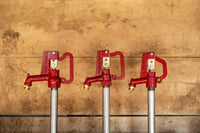
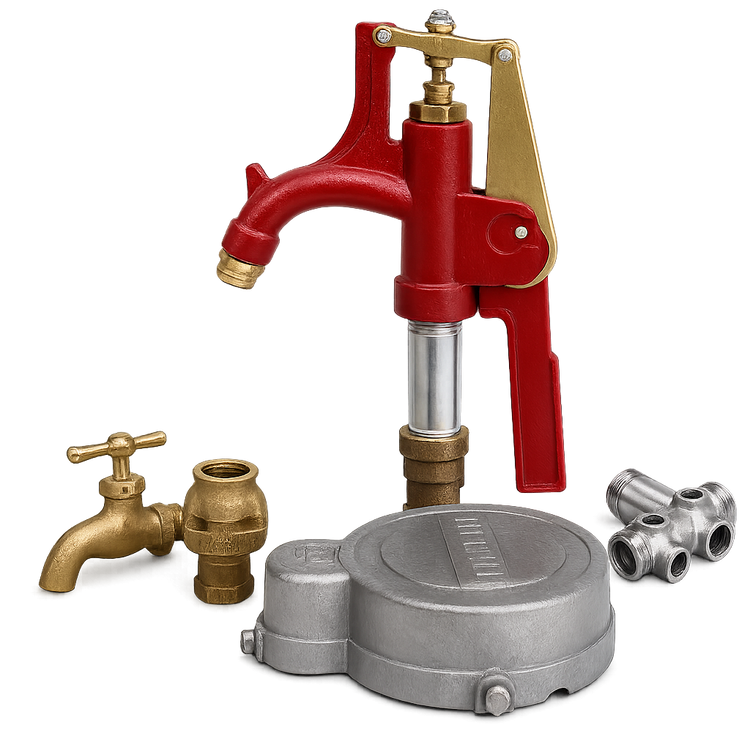
Frost-proof hydrants (Catalog pp. 8–40)
-
Pitless units (Catalog pp. 41–75)
-
Pressure switches (Catalog pp. 107–114)
2. Sanitation & Well Construction Will Be Under Greater Scrutiny
Water contamination concerns continue to rise, and homeowners increasingly expect drillers to explain:
-
Well casing requirements
-
Sealing and grout depth
-
Safe distances from contamination sources
(Handbook Book I, pp. 12–15)
3. Contractors Who Educate Customers Win
The WSC report highlights rising homeowner curiosity about water quality and system reliability (pp. 13).
Contractors who can clearly explain:
-
Why pitless units prevent contamination
-
Why sanitary well caps matter
-
Why check valves prevent system failures
…position themselves as trusted experts.
What to Expect in 2026
✔ Strong consumer demand for new wells, residential systems, and replacement parts
✔ Increasing regulation on water quality & infrastructure
✔ Continued skilled labor shortages
✔ Higher demand for durable, American-made products
✔ More interest in PFAS, testing, and long-term water safety
The data paints a clear picture:
2026 will be a year of opportunity for contractors who emphasize reliability, education, and quality components.
2026 will be a year of opportunity for contractors who emphasize reliability, education, and quality components.
Tags:
Share: