How to Choose the Right Check Valve for Any Pumping System (Guide for Drillers Installers)
Check valves may be small, but in a water well system they control some of the most important functions: backflow prevention, pump protection, system pressure stability, and eliminating water hammer. A poorly chosen check valve can shorten pump life, cause pressure cycling, burned up pressure switch, and lead to expensive callbacks.
This guide uses only verified data from the 2025 Merrill Catalog (pages 150–163) and the Water Systems Handbook (13th Edition) to help drillers, installers, and wholesalers choose the correct valve for every application.
Why Check Valves Matter
The Water Systems Handbook explains that check valves are essential to:
- Prevent backflow
- Maintain system pressure
- Protect pump components
- Reduce hydraulic shock
(Handbook, Book IV: Components)
In a well system, failure of a check valve leads to:
- Rapid pump cycling
- Loss of prime
- Water hammer
- Premature pump wear or failure
This is why nearly every well construction or plumbing code requires at least one properly installed check valve in a well system.
Check Valve Types Offered by Merrill (Catalog pp. 150–162)
Merrill offers one of the deepest check valve lines in the industry. According to the Merrill 2025 Catalog (pp.150–162), available types include:
✔ Spring Check Valves
Standard for most submersible and jet pump systems.
✔ No-Lead (NL) Check Valves
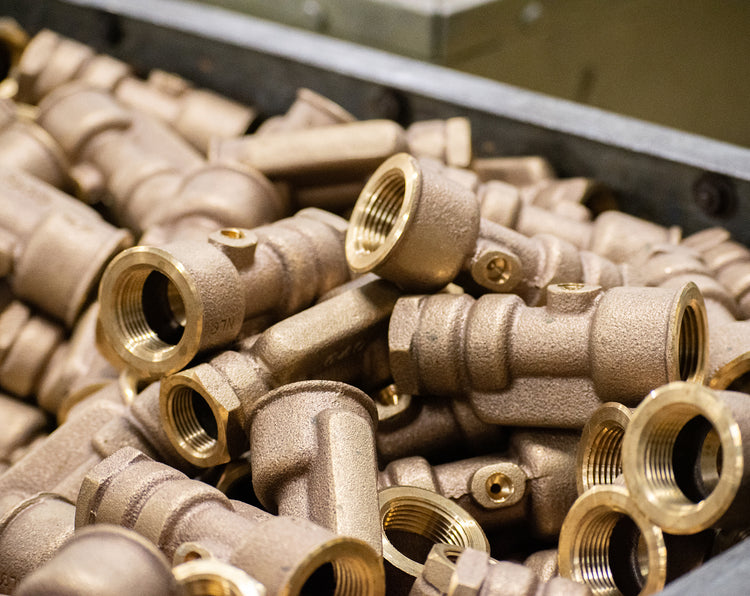
Required for potable water systems; manufactured using no-lead brass.
✔ Stainless Steel Check Valves
Corrosion-resistant for aggressive water chemistry.
✔ Variable Flow Check Valve (VFC) — unique to Merrill
(Full section included further below.)
Each valve model includes connection type, material, pressure rating, and flow characteristics directly listed on catalog pages 150–162.
How to Select the Correct Check Valve: Contractor Checklist
1. Identify the Pump Type
Submersible Pumps
Most submersible installations require:
- A check valve on the pump
- Additional check valves every 200–300 ft of vertical lift
- A final check valve near the pressure tank
This practice is consistent with general pump installation principles in the Water Systems Handbook (Book II).
Water Systems Handbook 13th Edi…
Merrill’s Check Valves and No-Lead Checks are the go-to solutions.
Jet Pumps (Shallow & Deep)
A check valve is required at:
- The well head, or
- The pump inlet
This keeps the system primed and prevents siphoning (Handbook, Book II).
Booster & Irrigation Pumps
A check valve protects against reverse flow and pressure shock.
No-lead bronze and stainless-steel check valves are commonly used (Catalog pp. 150–162).
2. Use No-Lead Valves for Potable Water
Federal standards require no-lead components for drinking water.
Merrill’s NL valves are clearly marked as NL in the catalog (pp. 150–162).
Rule of thumb: If the water is consumed, use No-Lead.
3. Choose the Correct Size & Pressure Rating
Incorrect sizing leads to:
- Water hammer
- Reduced flow
- Premature poppet wear
- Rapid cycling issues
Every Merrill valve includes pressure ratings and dimension charts (Catalog pp. 150–162).
4. Installation Placement Matters
The Water Systems Handbook (Book IV) stresses that check valves must be placed to prevent backflow and protect system pressure.
General rules:
- Place the first check valve as close to the pump as possible
- For deep wells, add valves every 200–300 ft
- Follow local well construction or plumbing code requirements
- Avoid placing valves in locations prone to freezing or debris accumulation
5. Consider Water Chemistry
For corrosive or mineral-heavy water, use stainless steel check valves (Catalog pp.150–162).
The Merrill Variable Flow Check Valve (VFC)
One of Merrill’s most advanced and unique products
(Catalog Pages 157–159)
Among all valves listed in the Merrill Catalog, the Variable Flow Check Valve (VFC) stands out as a game-changer for installers who need precision control over system hydraulics. Highly recommended when using VFD drives or pumps.
What Makes the VFC Different?
The VFC includes an automatic adjusting mechanism (valve poppets) that allows installers the VFD valve closing and opening characteristics needed for consistent variable flow.
This is not possible with standard spring check valves, which have fixed spring tension, valave chatter, and greatly increased pressure loss at low flows
Benefits of the Variable Flow Check Valve
- Reduces or eliminates water hammer
- Minimizes check valve chatter in deep well systems
- Matches valve performance to pump characteristics
- Helps stabilize system pressure for consistent flow rate
- Extends pump and valve life by reducing hydraulic shock excess pressure loss
These features are documented in the Merrill Catalog (pp. 157–159).
Where Installers Use the VFC
The Variable Flow Check Valve is ideal for:
- Deep submersible wells
- Installations with long vertical drop pipe
- Systems prone to water hammer
- Wide range High-flow to low-flow or variable-flow systems
- Locations where installers want control without changing pipe size
This makes it one of Merrill’s most flexible products for professional-grade installations.
Why Installers Choose Merrill Check Valves
Based on catalog data (pp. 150–162), Merrill valves offer:
- Heavy-duty No-Lead bronze construction
- Stainless steel and polymer options
- Replaceable components on feet valves
- (VFC) Variable Flow Check valves with automate adjusting valave puppets
- Full compatibility with well, jet, and booster pump systems
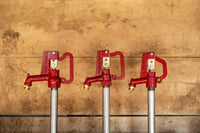
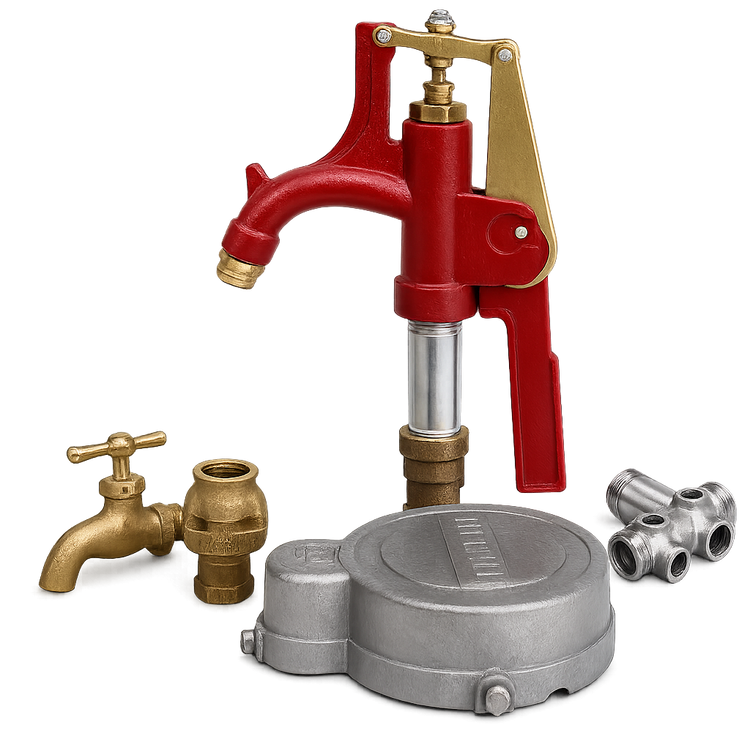
Merrill also leads the industry in complementary components (pitless units, hydrants, well caps), ensuring full system compatibility.
Conclusion: The Right Check Valve Protects the Entire System
A properly selected check valve ensures:
- Longer pump life, tank, pressure switch
- Stable or consistent system pressure
- Reduced callbacks
- Better customer satisfaction
- Protection against contamination and backflow
Using the verified guidance from the Water Systems Handbook and Merrill’s detailed specifications (Catalog pp. 150–162), contractors can confidently choose the correct check valve for any pumping system.
SEO Keywords: best check valves for wells, pump system check valve selection, no-lead check valves, water system check valves
Tags:
Share: