Back to Blog


Well Caps, Seals & Vents: The Small Parts That Protect Every Water System
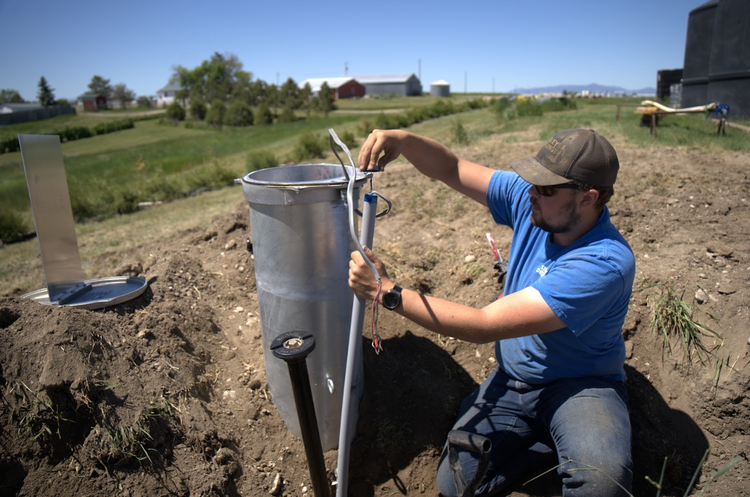
Well caps, seals, and vents are among the smallest components in a water well system—but they protect against some of the biggest risks: contamination, insects, debris, vermin intrusion, and pressure imbalance. A poorly chosen or poorly installed cap or seal can compromise the entire system.
This guide uses verified data from the Water Systems Handbook (13th Edition) and the Merrill 2026 Catalog to help drillers and installers choose the correct components and understand why they matter.
Why Well Caps and Seals Matter
The Water Systems Handbook states plainly that the top of the well must be protected from contaminants, and that improperly sealed wells are a major cause of groundwater contamination.
According to the Handbook:
-
The well head must be completed above finished ground grade.
-
A sanitary well cap or seal must prevent entry of insects, surface water, and debris.
-
Vents must be screened to prevent vermin and must allow pressure equalization.
These requirements ensure long-term water quality and system reliability.
Well Caps in the Merrill Catalog (Catalog pp. 78–83) or Check on Our Website HERE
The Merrill 2026 Catalog provides a full selection of well caps designed to meet sanitary protection requirements. These include:
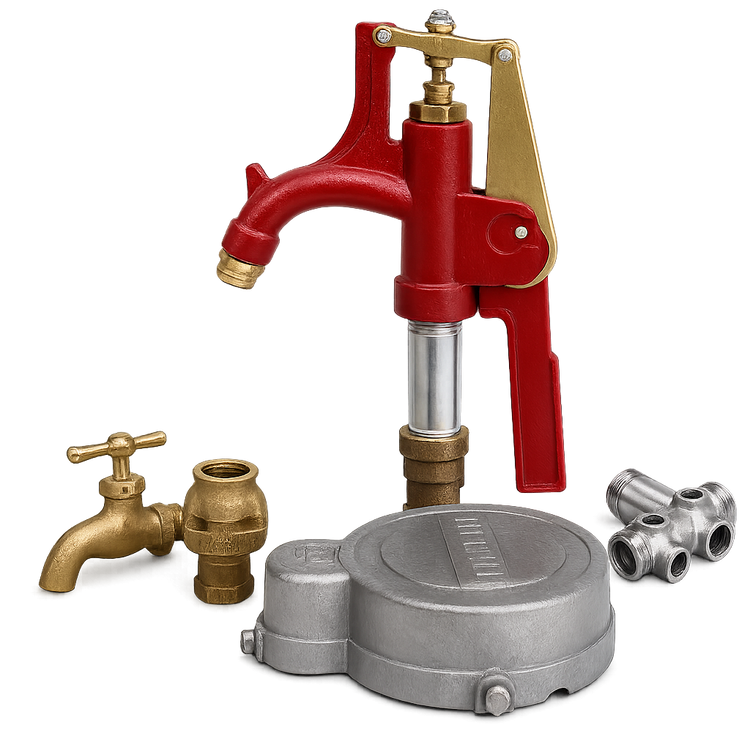
Used for most residential and light commercial wells. Provide a sealed top to prevent contaminants from entering the casing.
Designed to meet stricter sanitary protection standards. These include:
-
Rubber gaskets
-
Sealed electrical conduit entry
-
Screwed or bolted two or three-piece construction
- Screened vent to allow air flow not inserts
Their purpose: to protect against insects, rodents, and surface water infiltration.
Used in industrial, agricultural, or municipal applications where durability is critical.
All models list specific casing sizes and part numbers on catalog pages 78–83.

Well Seals (Catalog pp. 78–83) or Learn More on Our Website HERE
Well seals differ from caps and are typically used on submersible pump installations where freezing temperatures seldom occur.
A well seal provides:
-
A gasketed seal around drop pipe
-
A tight closure at the top of the casing
-
Support for the drop pipe
-
Electrical conduit passage
According to the Merrill Catalog:
-
Seals are available in multiple gasket and plate configurations.
-
Options cover common casing sizes and drop pipe sizes.
The Water Systems Handbook emphasizes that seals must be tight enough to prevent surface water intrusion, but must also allow for pump cable entry in a sanitary way
The Water Systems Handbook explicitly states that all wells must be adequately vented to allow equalization of air pressure in the casing
A proper vent must:
-
Be screened or thin slots that needs out inserts
-
Be positioned above grade
-
Prevent insects, rodents, and debris
-
Ensure pressure balance during pumping cycles
Vent failure can cause:
-
Vacuum conditions
-
Reduced pump performance
-
Contamination from back-siphoning
The Merrill Catalog integrates vents into its sanitary cap designs, providing options with:
-
Screened vent openings
-
Seal-protected vent assemblies
-
Anti-insect ventilation
Why Sanitary Well Caps Are Becoming the Industry Standard
The Water Systems Handbook details how contamination commonly enters wells from:
-
Floodwater
-
Insects
-
Surface runoff
-
Improper sealing at the wellhead
Modern sanitary well caps—like those in the Merrill Catalog—address these issues with:
-
Compression gaskets
-
Sealed electrical entry points
-
Stainless steel bolts
-
Screened vents
-
Two or three-piece construction for easy service
These features make upgrades from older “loose-fitting” or rusty bolt caps, an easy contractor upsell that genuinely improves water safety.
Installation Best Practices
Based on Handbook guidance (Book I) and standard well construction practices:
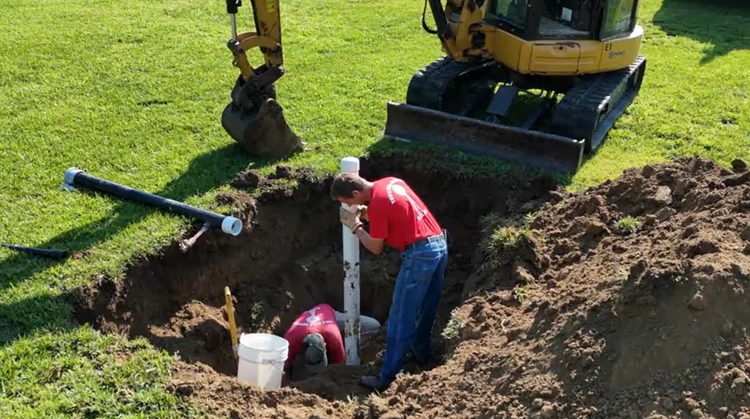
✔ Raise casing above grade
Prevents surface water entering the wellhead.
✔ Seal between casing and cap plate
Prevents insect and vermin intrusion.
✔ Ensure vent screening is intact
Screens (often stainless steel mesh) are crucial.
✔ Use proper electrical conduit seals
Loose wire openings = contamination risk.
✔ Maintain the cap during pump service
Replace cracked gaskets or damaged bolts.
When to Recommend an Upgrade
Based on current standards, recommend upgrading when you see:
-
Loose-fitting old-style caps
-
No vent or a damaged vent
-
Insect nests, rust, or gaps
-
Unsealed electrical entry
-
Missing bolts or deteriorated gaskets
-
Surface water infiltration signs
Contractors can rely on Merrill’s selection to replace outdated or unsafe caps/seals with modern sanitary options.
Summary: Small Component, Huge Importance
A well cap, or well seal may cost significantly less than major components—but they play a crucial role in:
-
Preventing contamination
-
Protecting water quality
-
Maintaining pressure balance
-
Ensuring long-term system reliability
Both the Water Systems Handbook and the Merrill Catalog emphasize that protecting the top of the well is mandatory, not optional.
A well is only as safe as its well cap or well seal.
Resources:
Tags:
Share: